
Group Special – Implant PackageMcLean, VA
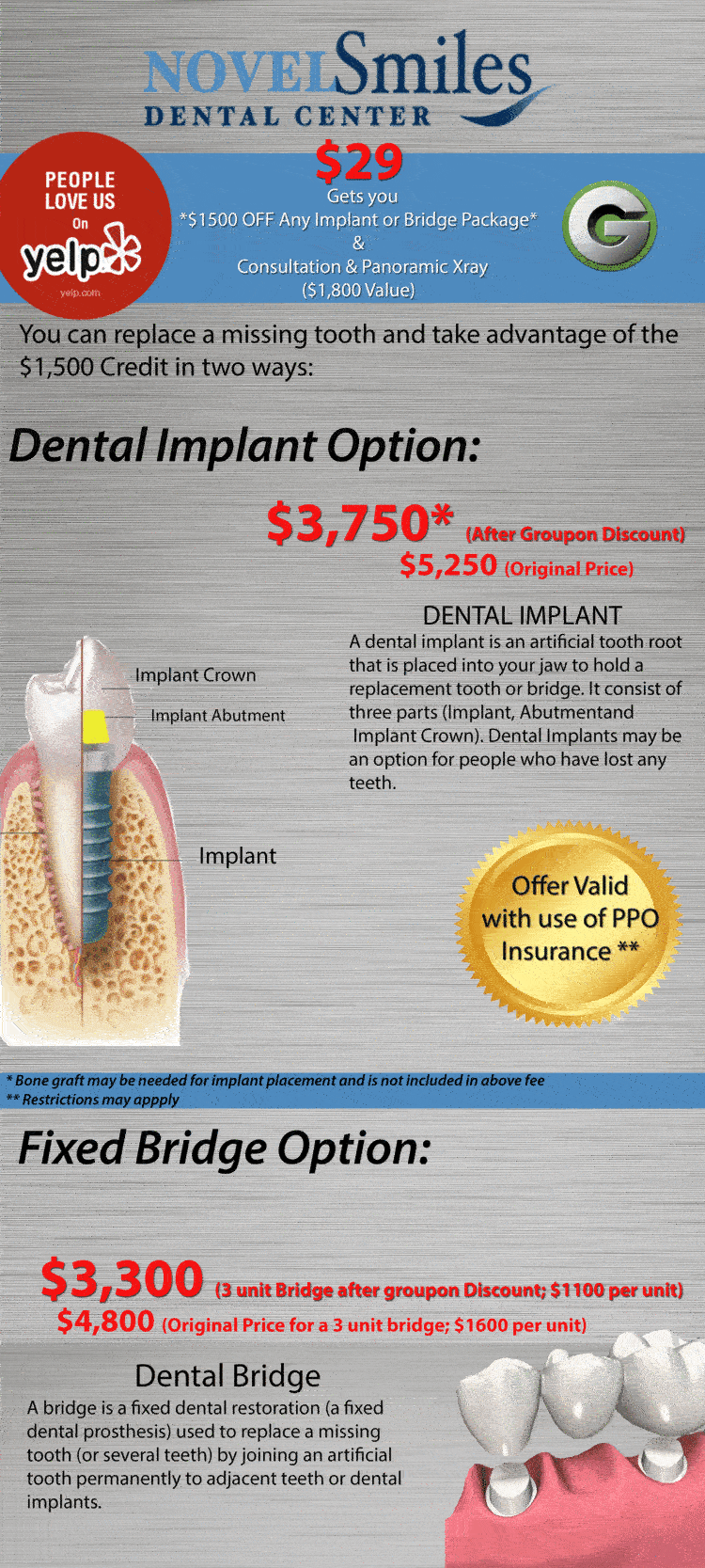
Groupon Special – Implant package or Fixed Bridge Package
Check out what others are saying about our Dental services on Yelp: Dentist McLean
Related Posts
How To Prepare For Your First Appointment With An Implant Dentist
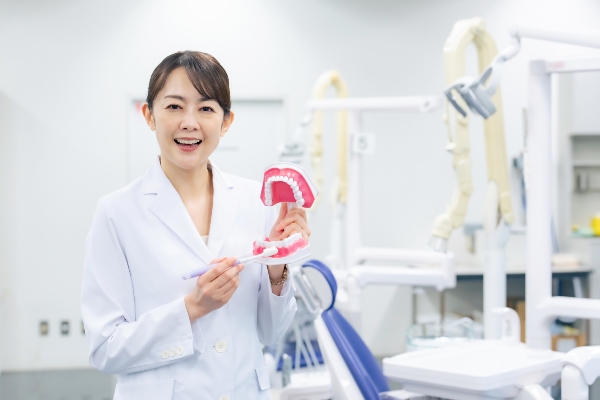
Going to an implant dentist for the first time can be exciting but also a bit scary. Dental implants are a long-term solution for missing teeth, helping with function and appearance. You can make your appointment more successful by preparing ahead of time. This preparation allows the dentist to create a personalized treatment plan for…
The Differences Between A General Dentist And An Implant Dentist
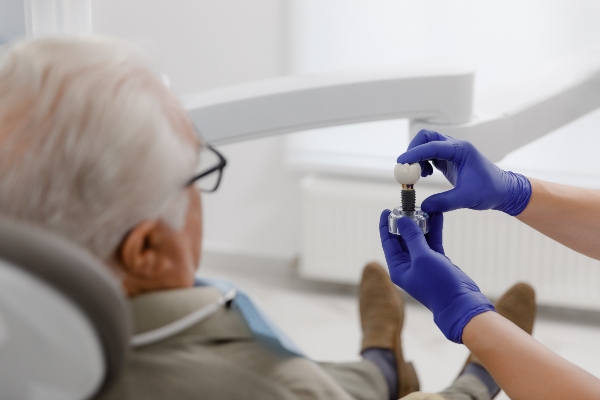
Finding the right implant dentist is the first step for those considering dental implants to replace missing teeth. Many people assume that only specialists can handle implant placement, but general dentists frequently offer implant services as part of their practice. Understanding the differences between these dental providers and what makes an implant dentist can help…

How Dental Bonding Improves Tooth Shape And Color Without Major Dental Work
Dental bonding offers a practical way to address imperfections without extensive procedures. Small chips, uneven edges, minor gaps, and stubborn discoloration can draw attention even when overall oral health remains stable. A dentist can use bonding to refine the look of a smile while preserving most of the natural tooth structure in a single appointment.Dental…

10 Questions To Ask Your Implant Dentist Before Getting Dental Implants
Getting dental implants is a big step, and finding the right implant dentist is an important part of the process. Understanding what to expect before, during, and after the procedure can make the journey easier. Therefore, asking the right questions can help ensure the best outcome and a smooth experience.Not everyone is a good candidate…

The Cosmetic And Functional Benefits Of Seeing An Implant Dentist
An implant dentist provides a long-term solution for missing teeth. They accomplish this through dental implants, which restore smiles by enhancing speech, chewing ability, and overall oral health while looking natural. By working with an implant dentist, patients can benefit from expert care that preserves jawbone health, protects surrounding teeth, and ensures lasting stability.An implant…